Tonocracy Amp List

All 16 Models and the Real Amps Behind Them

Looking for the complete Tonocracy amp list? You’ve come to the right place. Atomic Amplifiers’ free guitar amp simulator included some seriously desirable hardware recreations, from vintage Marshall Plexis and Fender combos to high-gain monsters inspired by Mesa Boogie, EVH, and Friedman.

If you’re considering a Tonocracy VST download, you’ll probably want to know exactly which amplifiers are included before installing it, especially given the software’s recent registration problems.

But here’s something interesting: Tonocracy’s official website doesn’t tell the whole story. Its homepage lists 13 unique SchemAccurate amplifiers, but digging through Atomic’s release history reveals another three models that aren’t included in that main list.

That brings the total to 16 officially documented SchemAccurate amp models, covering everything from sparkling cleans and vintage blues to heavily saturated modern metal.

I’ve put together the complete list, identified the original amplifiers behind the models wherever Atomic provides that information, and explained what each one brings to the table. There’s also an important catch concerning Tonocracy’s current availability, which I’ll cover further down.

Complete Tonocracy Amp List: All 16 Models

Tonocracy’s SchemAccurate collection was designed to recreate the behaviour of classic guitar amplifiers, with adjustable controls rather than relying exclusively on fixed amp captures.

The following table combines the models advertised on Tonocracy’s official website with additions documented in its release history.

Tonocracy Amp ModelReal Amplifier / InspirationTone Category
Brit 800Marshall JCM800 2203 100WClassic hard rock
Brit Plex 1001968 Marshall JMP 100 PlexiVintage British rock
BritMan 451963 Marshall JTM45Blues / vintage rock
EVan53 RedEVH 5150III Red ChannelModern high gain
EVan53 BlueEVH 5150III Blue ChannelRock / high gain
D-Rex RedMesa Boogie Dual Rectifier Red ChannelModern metal
Humble RF102 CleanDumble #102 Clean ChannelBoutique clean
Humble RF102 ODDumble #102 Overdrive ChannelSmooth overdrive
Tweed Lux Bright1957 Fender 5E3 Tweed Deluxe Bright ChannelVintage breakup
’65 Lux1965 Fender Blackface Deluxe Normal ChannelAmerican clean
VX30 Chime1964 Vox AC30 Top Boost ChannelBritish chime
Freeman BE100Friedman BE100Modern British rock
Freeman BE100 SATFriedman BE100 with SAT engagedSaturated high gain
Gemini CleanExact amplifier not identified by AtomicClean
DZL V4 Ch. 3Likely Diezel VH4 Channel 3; not officially confirmedHigh gain
DZL V4 Ch. 4Likely Diezel VH4 Channel 4; not officially confirmedHigh gain / lead

Important: The first 13 models have their original amplifier inspirations explicitly identified on Atomic’s website. Gemini Clean and the two DZL V4 models appear in the release notes without equally detailed manufacturer descriptions. The DZL names strongly suggest a Diezel VH4 connection, but that interpretation shouldn’t be confused with a confirmed statement from Atomic.

This is a reconstructed list of documented models, not an independently verified inventory of a currently working installation.

Why Does Tonocracy's Website Only List 13 Amps?

This is where things get slightly confusing. Atomic’s homepage contains 14 amp entries, but Freeman BE100 SAT appears twice. Remove that duplicate and you’re left with 13 unique models.

However, the release history reveals additional amplifiers:

Software UpdateAmp Models Added
v2.0.1EVan53 Red and EVan53 Blue
v2.1.0Brit 800
v2.2.0Gemini Clean
v2.3.0DZL V4 Ch. 3 and DZL V4 Ch. 4

The EVan53 models and Brit 800 already appear on the homepage. Gemini Clean and the two DZL models do not.

Consequently, adding those three to the 13 unique homepage entries gives us 16 distinct, officially documented amp models. Whether every model can currently be downloaded and activated is a separate question, particularly given Tonocracy’s ongoing account-service problems.

Marshall-Inspired Tonocracy Amps

If you’re a fan of classic British guitar tones, Tonocracy’s Marshall-inspired models are among the most interesting parts of its factory collection.
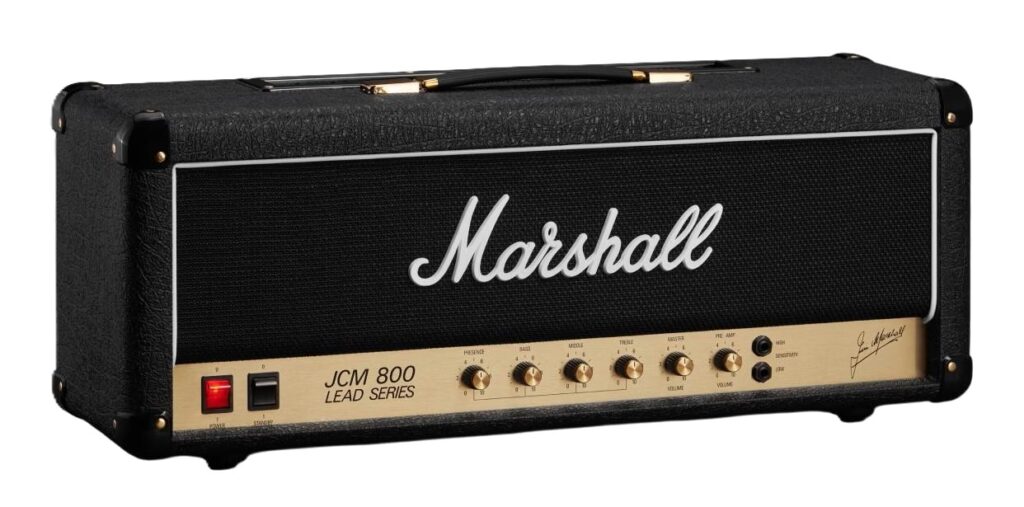
Brit 800 — Marshall JCM800 2203

jcm800-2203-front-angle__30153

The Brit 800 is based on the Marshall JCM800 2203 100-watt head, one of the defining amplifiers of classic hard rock and heavy metal. The original amplifier is famous for its aggressive midrange, crunchy distortion, and ability to cut through a dense band mix. It’s also particularly responsive to overdrive pedals pushing the front end.

Best suited to: Classic metal, hard rock, punk and crunchy rhythm guitars.

If you’re chasing tight, aggressive rhythm sounds associated with 1980s rock, this would be one of the first models I’d investigate.
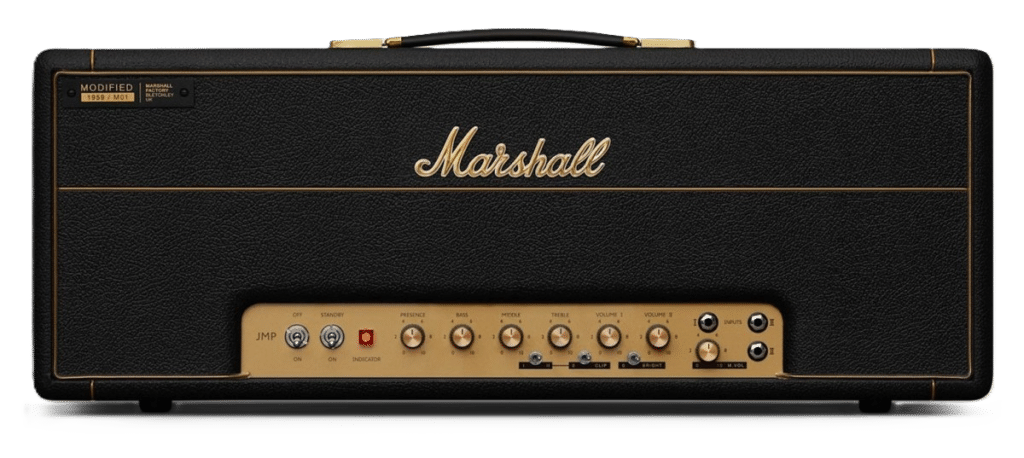
Brit Plex 100 — 1968 Marshall JMP 100 Plexi

marshal amp

Tonocracy’s Brit Plex 100 recreates a 1968 Marshall JMP 100 from the 12000 series, with its channels jumpered. Vintage Plexis are associated with powerful, open-sounding overdrive rather than the heavily compressed distortion of modern high-gain amplifiers.

They also respond strongly to guitar volume changes and picking dynamics. The jumpered configuration is particularly interesting because it allows the characteristics of the amplifier’s input channels to be blended.

Best suited to: Classic rock, blues rock, vintage hard rock, and expressive lead guitar.
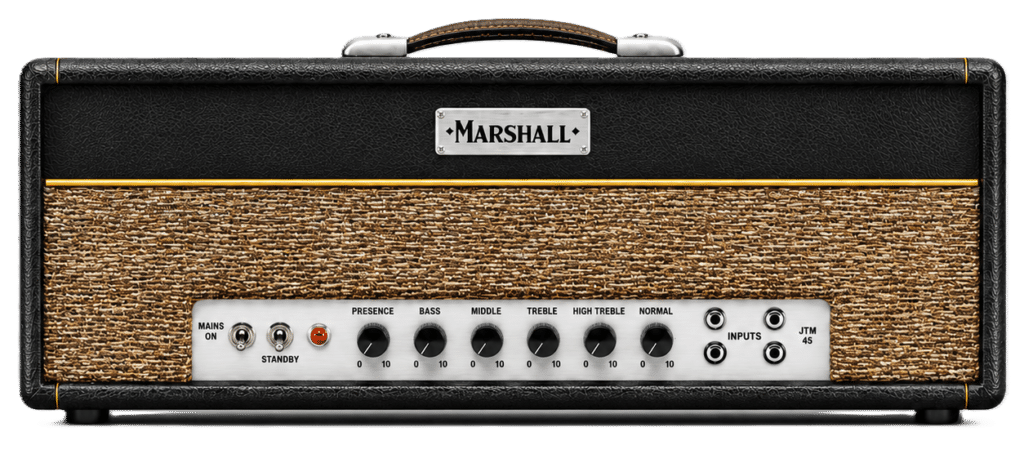
BritMan 45 — 1963 Marshall JTM45

Perfectly Frontal Marshall Amplifier Head

The BritMan 45 goes even further back, drawing inspiration from the 1963 Marshall JTM45. This amplifier represents an earlier era of British guitar tone, before the harder-edged sound of later Marshall designs. The JTM45 is generally associated with warm overdrive, a softer attack, and a more rounded response than a JCM800. Push it hard and you enter vintage blues-rock territory.

Best suited to: Blues, classic rock, roots rock, and dynamic rhythm playing.

The BritMan 45 and Brit Plex 100 would be especially interesting to compare because they represent different stages of Marshall’s early development.


High-Gain Tonocracy Amp Models

Tonocracy wasn’t limited to vintage rock sounds. Its collection also included several modern high-gain amplifiers aimed at heavier guitar styles.
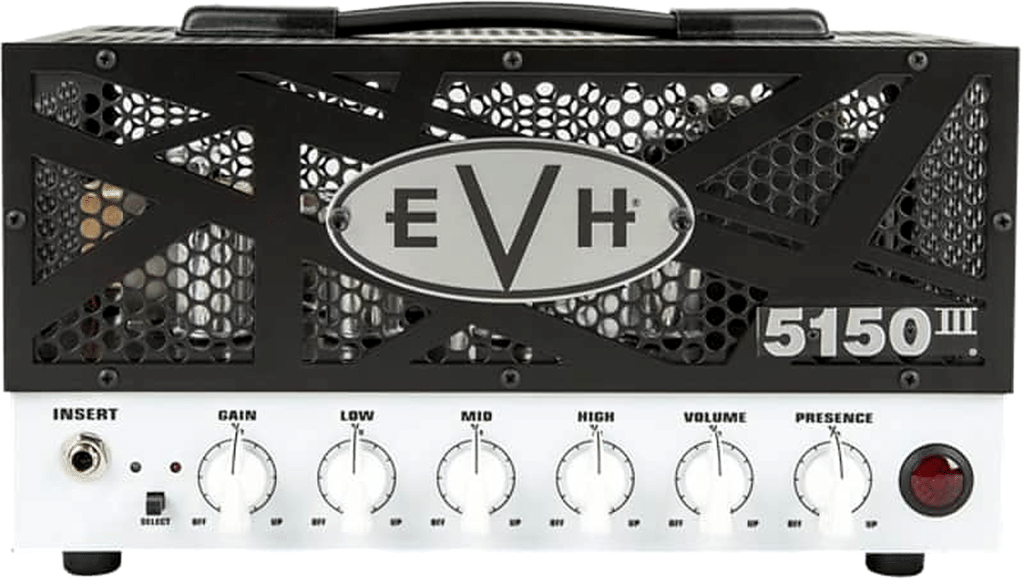
EVan53 Red — EVH 5150III Red Channel

evh-5150iii-1920px-enhanced

Based on the Red Channel of the EVH 5150III, the EVan53 Red targets modern, saturated amplifier distortion.

The original 5150III is a popular high-gain platform, particularly among rock and metal guitarists. Its Red Channel is designed for aggressive distortion, sustain and heavily driven lead or rhythm tones.

Best suited to: Modern metal, metalcore, heavy rock and saturated leads.
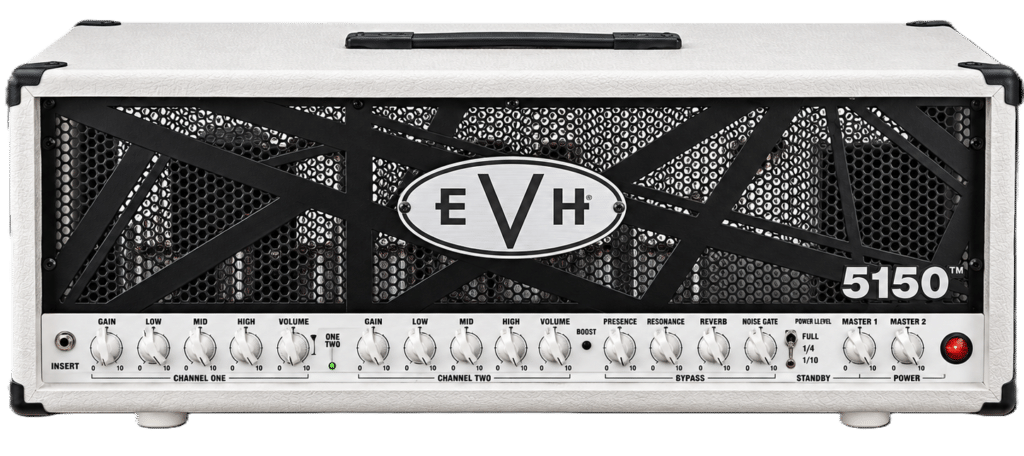
EVan53 Blue — EVH 5150III Blue Channel

EVH-5150-III no back 2

The EVan53 Blue models the Blue Channel of the same amplifier.

Compared with the Red Channel, the real amplifier’s Blue Channel offers a different gain range, making it particularly useful for crunchy rhythm tones and heavy rock sounds that don’t require maximum saturation. This distinction makes the two EVan53 models more than simple duplicates.

Best suited to: Hard rock, alternative metal, crunch rhythms, and lead guitar.

For guitarists who prefer a little more definition and less compression, the Blue Channel could be the more useful starting point.
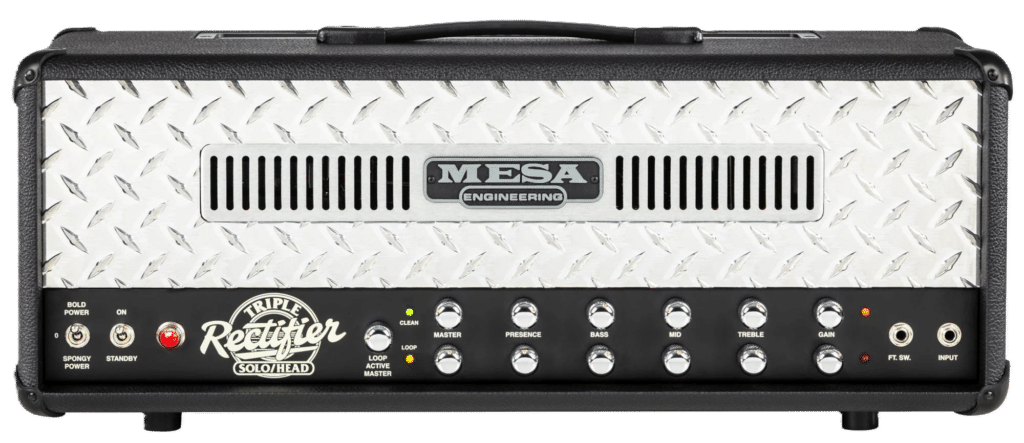
D-Rex Red — Mesa Boogie Dual Rectifier

messa amp

The D-Rex Red takes its inspiration from the Red Channel of the Mesa Boogie Dual Rectifier.

Dual Rectifiers are famous for their substantial low-end response, aggressive distortion, and distinctive modern rock character. They’ve been associated with everything from alternative metal to heavier styles of rock and metal.

However, their big low end can sometimes require careful management in a recorded guitar mix.

Best suited to: Modern metal, alternative metal, heavy rock, and thick rhythm guitars.

Tonocracy’s D-Rex Red doesn’t just model an unspecified Dual Rectifier. In a November 2023 discussion on The Gear Forum, an Atomic Amplifiers representative identified the reference amplifier as a 1993 Revision F, two-channel, 100-watt Dual Rectifier, using its modern voicing.

That’s an important distinction because different generations of Dual Rectifier amplifiers can have noticeably different characteristics. The early Revision F design is especially interesting to guitarists chasing aggressive, high-gain 1990s metal and hard-rock tones.
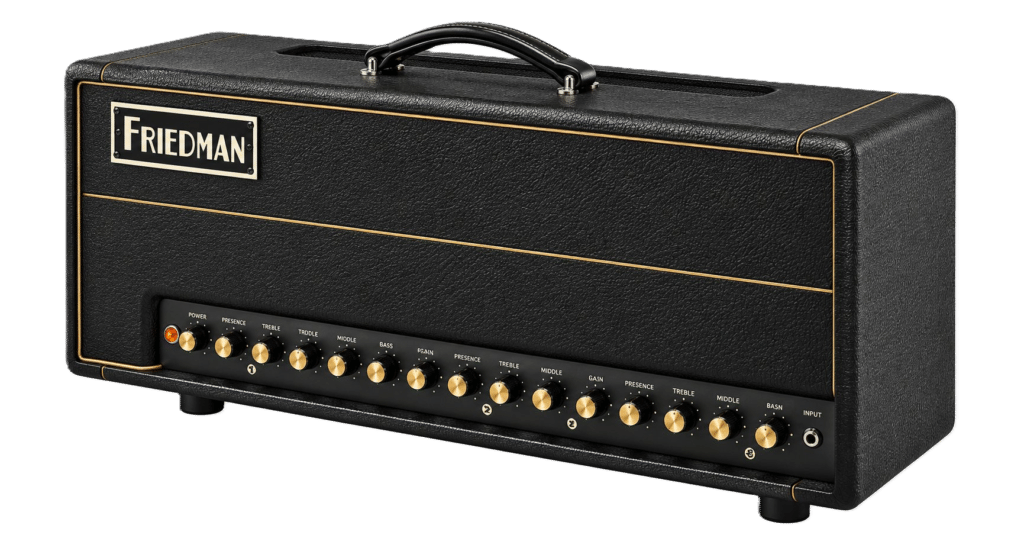
Freeman BE100 — Friedman BE100

Friedman Amplifier Head Studio Portrait 2

The Freeman BE100 is based on the Friedman BE100, a boutique amplifier closely associated with refined, high-gain British-style tones.

The real amplifier draws on the tradition of modified Marshall circuits, combining familiar rock character with additional gain and flexibility. That makes it particularly attractive for guitarists who enjoy classic British distortion but want a more modern response.

Best suited to: Hard rock, modern rock, and lead guitar.

Freeman BE100 SAT — Friedman BE100 SAT Engaged

This model represents the same Friedman amplifier with its SAT function engaged. On the real amplifier, SAT introduces additional saturation and changes the distortion character.

That can produce a more aggressive, compressed response suitable for sustained leads and heavier rhythm parts. Rather than treating this as an entirely different physical amplifier, it’s more accurate to consider it another configuration of the BE100.

Best suited to: High-gain rock, saturated leads, and heavy guitar tones.
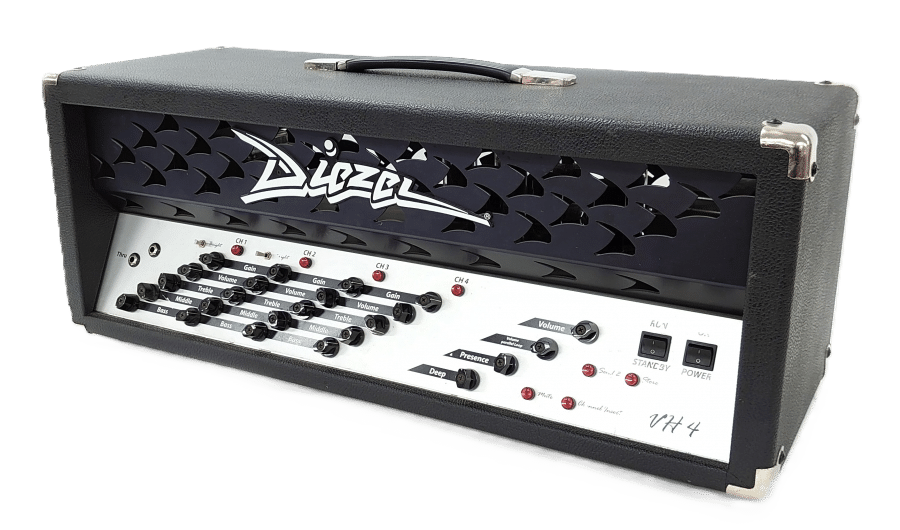
DZL V4 Ch. 3 and Ch. 4

615-1

These are two of the least documented entries in the Tonocracy collection.

Atomic’s v2.3.0 release notes confirm the addition of:

  1. DZL V4 Ch. 3
  2. DZL V4 Ch. 4

The naming strongly suggests they were inspired by Channels 3 and 4 of the Diezel VH4, a four-channel amplifier widely associated with modern high-gain guitar tones.

The real VH4’s third channel is known for tightly controlled high-gain distortion, while its fourth channel offers additional saturation. However, Atomic doesn’t explicitly identify the underlying hardware in the release notes.

Best suited to: Potentially modern metal, progressive rock, and heavy lead guitar, assuming the intended VH4 connection.

Fender, Vox and Dumble-Inspired Tonocracy Amps

Not everybody wants enormous amounts of distortion. Tonocracy also documented several amplifier models inspired by classic American cleans, boutique overdrive, and vintage British combos.
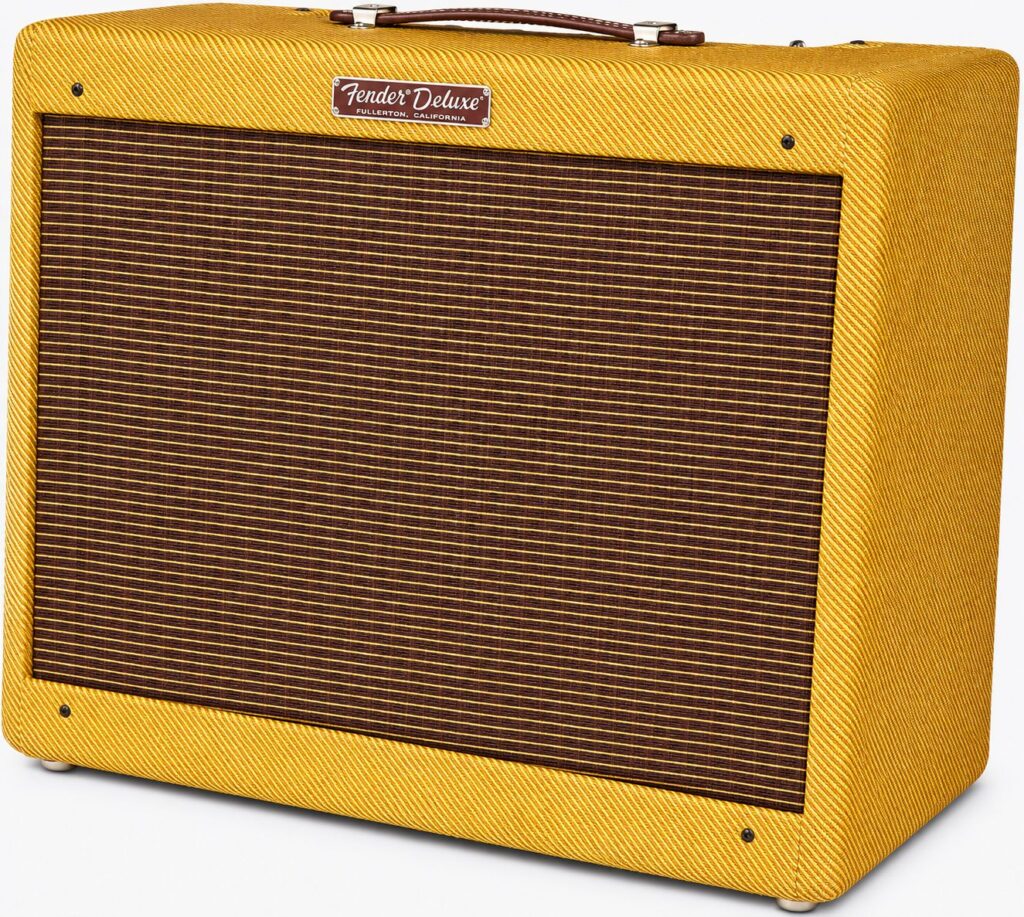
Tweed Lux Bright — 1957 Fender Tweed Deluxe

Vintage Fender Deluxe Tweed Amplifier

The Tweed Lux Bright is based on the Bright Channel of a 1957 Fender 5E3 Tweed Deluxe. The original 5E3 is celebrated for its responsive breakup, warm midrange, and expressive transition from clean to overdriven sounds. It’s a very different proposition from the more controlled, high-headroom sound of a modern clean amplifier.

Best suited to: Blues, country rock, roots music, and vintage guitar recordings.
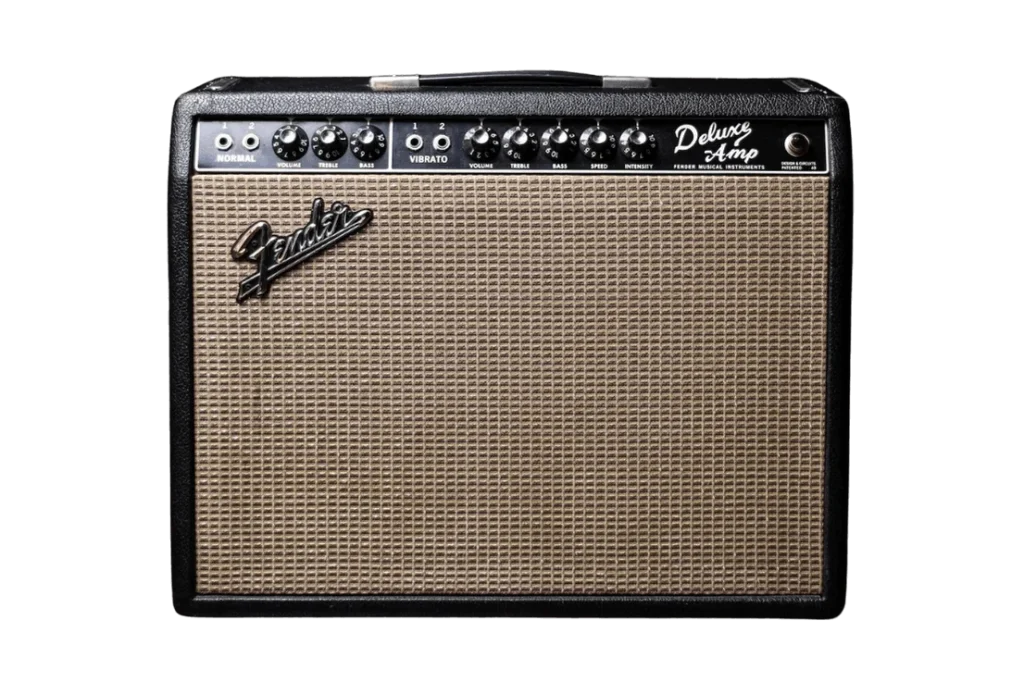
’65 Lux — 1965 Fender Blackface Deluxe

1965 Fender Blackface Deluxe

This model is based on the Normal Channel of a 1965 Fender Blackface Deluxe.

Blackface-era Fender amplifiers are generally associated with clear, articulate clean sounds and a distinctive American tonal character.

Compared with the Tweed Deluxe, this model represents a different generation of Fender amplifier design.

Best suited to: Clean guitar, blues, soul, country and studio rhythm parts.
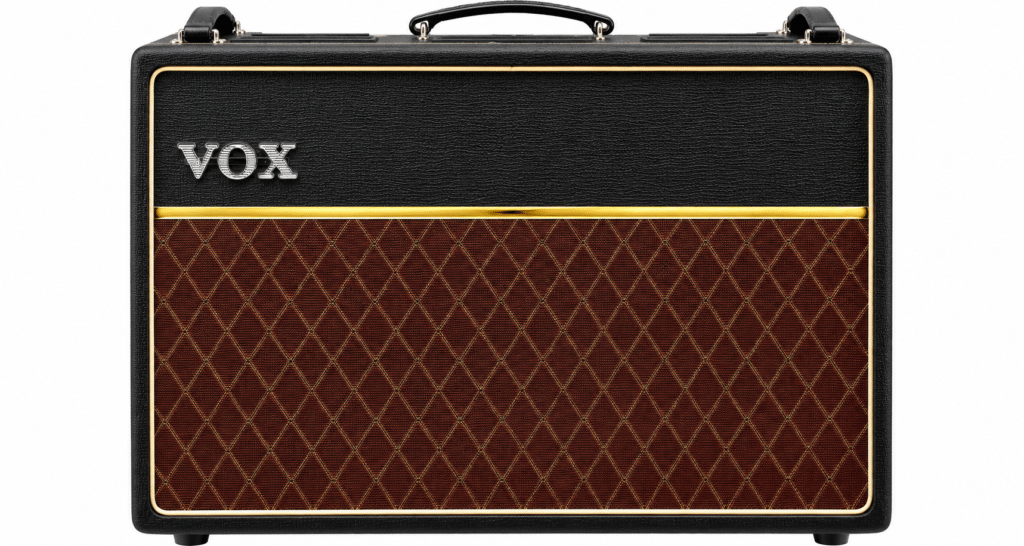
VX30 Chime — 1964 Vox AC30 Top Boost

vox amp

The VX30 Chime is inspired by a 1964 Vox AC30 Top Boost. Few amplifiers are more closely associated with bright, chiming British guitar sounds. The AC30’s character can move from articulate cleans into harmonically rich overdrive, depending on its settings and playing level.

Best suited to: Indie rock, British pop, alternative rock, jangly rhythm guitars and classic rock.
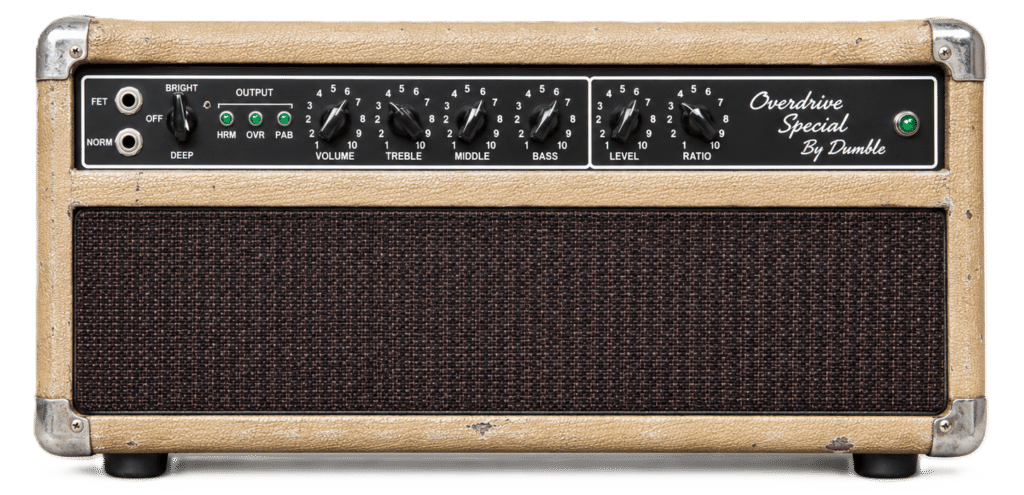
Humble RF102 OD — Dumble #102 Overdrive Channel

Vintage Dumble Overdrive Special Amp Head

This model recreates the overdrive channel of the same amplifier. Dumble-style overdrive is frequently associated with smooth sustain, a pronounced midrange, and articulate lead playing. The aim isn’t necessarily extreme distortion. It’s a more expressive, controlled type of overdrive.

Best suited to: Blues leads, fusion, melodic rock and expressive solos.

Humble RF102 Clean — Dumble #102 Clean Channel

The Humble RF102 Clean is based on the clean channel of the legendary Dumble #102 amplifier.

Dumble amplifiers are boutique designs known for their carefully voiced circuits, responsive dynamics, and distinctive clean-to-overdrive behavior.

Because original Dumbles are extremely rare, software models offer a way to explore their general tonal character without obtaining the actual hardware.

Best suited to blues, jazz-influenced guitar, fusion, and expressive clean playing.

Gemini Clean — Added in v2.2.0

Gemini Clean is one of Tonocracy’s more mysterious factory models.

Atomic’s release history confirms its introduction in version 2.2.0, but doesn’t identify the amplifier or hardware that inspired it. The name suggests a clean-focused sound, although its precise design and tonal character remain undocumented in the available official material.

Rather than guessing which amplifier it’s based on, I’m leaving that detail unconfirmed. If Atomic publishes additional information, this is one of the entries worth updating.

Which Tonocracy Amp Is Best for Your Guitar Style?

With 16 documented models spanning several amplifier families, deciding where to start can be a challenge.

Based on the characteristics of the real amplifiers they reference, these would be my starting points:

Guitar StyleTonocracy Models to Investigate
Classic rockBrit Plex 100, Brit 800
BluesBritMan 45, Tweed Lux Bright
Clean guitar’65 Lux, Humble RF102 Clean
Indie / alternativeVX30 Chime, BritMan 45
Hard rockFreeman BE100, EVan53 Blue
Modern metalEVan53 Red, D-Rex Red
Saturated leadsFreeman BE100 SAT, Humble RF102 OD
Progressive / heavy metalDZL V4 Ch. 3 and Ch. 4

These are suggested starting points based on the original amplifiers’ tonal characteristics. Your choice of cabinet impulse response, guitar pickups, gain settings, and effects will also make a significant difference.


SchemAccurate vs ToneSnap vs NAM

What's the Difference?

One thing that often causes confusion is that Tonocracy supported three different approaches to amplifier modelling.

The 16 amplifiers listed above belong specifically to its SchemAccurate collection.

They shouldn’t be confused with ToneSnap captures or imported Neural Amp Modeler files.

SchemAccurate Amplifiers

SchemAccurate was Atomic’s proprietary amplifier-modelling technology. According to the developer, it combined component-level modelling with AI-based techniques to recreate the behaviour of real amplifiers.

Unlike a simple fixed capture, its amplifier controls were intended to respond and interact similarly to those of the original hardware.

ToneSnap Captures

ToneSnap was Tonocracy’s separate capture technology.

Instead of selecting a factory amplifier model, users could capture the sonic behaviour of physical equipment and load those captures into Tonocracy. The system also supported a library of captures created by other users and contributors.

These captures weren’t included in the fixed SchemAccurate amp count.

Neural Amp Modeler Support

Tonocracy also supported Neural Amp Modeler files. Users could import compatible NAM captures into their library and combine them with Tonocracy’s cabinet processing, effects and signal-routing features.

This potentially expanded the number of available amplifier tones far beyond its 16 documented factory amp models. However, Tonocracy’s compatibility with newer NAM A2 captures has not been independently verified.

For a fuller breakdown, see my Tonocracy vs NAM comparison.

Does Tonocracy Include Bass Amps?

This is another question worth addressing. Atomic’s published SchemAccurate collection doesn’t explicitly identify any of its 16 models as dedicated bass amplifiers.

However, that doesn’t mean Tonocracy was exclusively designed for six-string guitar. Its support for external NAM files and ToneSnap captures offered additional possibilities. For example, users could theoretically load compatible NAM captures of bass amplifiers, provided those files worked with Tonocracy’s implementation.

The same general principle applies to compatible cabinet IRs. The important distinction is that bass amp capture compatibility doesn’t mean a dedicated bass amplifier was included in the SchemAccurate factory collection.

If you’re specifically looking for a free bass amp simulator, a maintained NAM-compatible application with suitable bass captures may now be the more practical option.

Can You Still Download Tonocracy’s Amp Models?

Unfortunately, this is where the situation becomes complicated. Atomic Amplifiers still advertises Tonocracy as a free download, with version 2.3.1 listed for Windows and macOS. The website also states that the free edition includes access to the complete factory SchemAccurate collection without paid feature restrictions.

However, Tonocracy’s account infrastructure has attracted criticism from users experiencing registration and cloud-service problems. During my own investigation in November 2026, attempting to register a new Tonocracy account returned an HTTP 503 Service Unavailable error.

That prevented me from completing registration and testing a fresh installation. As a result, I can’t confirm that new users can currently access all 16 documented models.

Can You Get These Amps Without Tonocracy?

Not the exact SchemAccurate models, at least not through any officially documented independent download method I’ve found. SchemAccurate was Atomic’s proprietary technology, and these models were designed to run within Tonocracy itself.

However, you can explore other software that recreates or captures similar physical amplifiers. For example, compatible NAM captures may provide sounds based on Marshall JCM800s, EVH 5150s, Mesa Dual Rectifiers or Vox AC30s.

That doesn’t mean those captures are identical to Tonocracy’s SchemAccurate simulations, but they can offer alternative ways to explore similar amplifier characteristics.

FAQ

Atomic’s homepage lists 13 unique SchemAccurate amp models, while its release notes identify three additional models. That brings the documented total to 16, although current access to all 16 hasn’t been independently verified.

Yes. Its SchemAccurate collection includes Brit 800, Brit Plex 100 and BritMan 45, inspired by the Marshall JCM800, JMP Plexi and JTM45 respectively.

Yes. The D-Rex Red model is officially described as being based on the Red Channel of the Mesa Boogie Dual Rectifier.

Tonocracy supports additional sounds through compatible Neural Amp Modeler files and its proprietary ToneSnap capture system. These are separate from the factory SchemAccurate models.

Atomic advertises the current collection of SchemAccurate amplifiers as included in its free software. However, account registration problems may prevent some new users from accessing the application or its content.

There is no verified official announcement confirming that support has permanently ended. However, user-reported service problems and failed account registration attempts raise concerns about its ongoing accessibility and maintenance.

Picture of Jeffro

Jeffro

Qualified sound engineer, music producer, and DJ. Founder of Jeffro Music.